Lưu trữ Danh mục: Bookkeeping

Operating Expenses Formula OpEx: Comprehensive Guide & Examples

operating expenses examples

Similarly, limited access to affordable financing during economic downturns can strain cash flow and force businesses to reassess spending priorities. Maintaining strong financial health and exploring alternative financing options, like equity funding, can help mitigate these challenges. Geopolitical factors, including trade wars, international conflicts, and changing trade agreements, can affect operating costs in multiple ways. For instance, increased tariffs on imported goods can raise material costs, while sanctions might limit access to certain suppliers or markets. Economic conditions, such as inflation, recession, or economic growth, have a direct influence on operating cost in business. These expenses are crucial for ensuring that business operations run smoothly and efficiently.

Are operating expenses included in COGS?

Operating expenses are typically calculated for a specific period, such as monthly, quarterly, or annually. Choose a timeframe that aligns with your business’s reporting needs and industry standards. Consistency in your chosen time frame allows for easier comparisons and trend analysis. Because they are a financial expense that does not directly contribute to selling services or products, they aren’t considered assets.

Fixed Costs and Variable Costs

  • Reducing costs without proper evaluation can harm long-term growth, employee satisfaction, and overall business performance.
  • It does not include expenses such as the cost of goods sold directly related to product manufacturing or service delivery.
  • Indirect costs, in contrast, are not directly attributable to a specific product or service but are vital for the overall functioning of a business.
  • SG&A expenses are treated as period costs in accounting, meaning they are expensed in the period they are incurred.
  • It encompasses fixed costs, such as rent and employee wages, as well as variable costs, including raw materials and utility bills.
  • Variable costs vary directly with production or sales volumes, increasing or decreasing as activity levels change.

CFOs who closely track operating expenses can identify spending patterns that might otherwise go unnoticed. This awareness allows for strategic redistribution of funds toward higher-performing areas of the https://hollanderhomes.com/garage-roof-insulation-with-foam.html business. Selling and marketing expenses are costs directly related to promoting products or services and generating sales. These expenses support revenue-generating activities and help build brand awareness and customer relationships. Variable operating expenses fluctuate in direct proportion to business activity. As production volumes increase, these costs rise; as activity decreases, these expenses naturally fall.

  • Operating expenses vary across different sectors and have specific nuances based on the nature of the industry.
  • During each audit, compare current expenses against historical data, budgets, and industry benchmarks to identify areas that need attention.
  • For example, if you’ve invested $200,000 in plant and machinery, you’ll need to write off this capital expense over the useful life of the plant and machinery.
  • They provide a map for understanding how effective management and optimization of operating expenses can lead to better financial health and strategic decision-making.
  • Postage, telephone bills, and general office supplies shared by all departments also typically are not classified as operating expenses.

Managing Business Costs: Benefits of Understanding Operating Expenses for Financial Health

operating expenses examples

Cost of goods sold, or COGS, is a term meaning the direct expenses related to the production of items an entity sells. For manufacturing companies this includes the cost of raw materials, labor, and overhead. In contrast, non-operating expenses are costs that arise from activities outside the normal scope of business operations. These are usually irregular or one-time costs not directly related to delivering products or services. Proper reporting and analysis of operating expenses in financial statements provide a clear picture of your business’s operational efficiency and financial health. By understanding these reporting principles, you can make more informed decisions, improve transparency for stakeholders, and guide your business to greater financial success.

Businesses must adjust budgets, scale operations, and manage cash flow carefully to navigate these https://365wyoming.com/wyoming-authorities-will-hire-the-head-of-the-stablecoin-project.html changes effectively. Strategic planning and data-driven forecasting can mitigate the financial strain caused by seasonal variability. Volopay provides real-time visibility into operating cost in business through centralized dashboards and detailed analytics. Businesses can monitor spending patterns across departments, categories, or projects, ensuring transparency and control. For example, analytics can reveal overspending in specific areas or highlight vendors offering better value for money. Armed with these insights, businesses can create more effective budgets and drive strategic growth through informed financial decisions.

Let’s explore how to systematically manage these expenses to boost your business performance. Start by prioritizing opportunities based on potential impact and feasibility. Create specific, measurable goals for cost reduction or efficiency improvement in each target area.

operating expenses examples

Operating Income (Operating Profit)

Our powerful suite of tools helps you track business spending in real time, set up notifications for employee-approved spending, and streamline reconciliation processes. Here are a few powerful best practices to implement to improve your https://canadatc.com/business management of OpEx and even reduce overall business expenditure. Reducing OpEx can be done by renegotiating contracts, automating tasks, and using tools to streamline expense management. Save time with automated accounting—ideal for individuals and small businesses.

  • Proper record-keeping not only simplifies tax preparation but also provides valuable insights into your business’s financial health.
  • By understanding the characteristics of these costs and how they impact the bottom line, companies can optimize their operations, increase profitability, and maintain a competitive edge.
  • By recognizing inefficiencies, businesses can adopt proven strategies to optimize costs.
  • In contrast, for a web hosting service provider company, these very same expenses are considered part of the Cost of Sales.
  • The finally corporate card and banking services are provided by Column N.A., Member FDIC.

Operating costs vs. SG&A expenses

It is calculated by dividing operating expenses (excluding depreciation and amortization) by total revenue. A lower OER indicates greater efficiency, as it means the company is spending less to generate each dollar of revenue. Operating cost ratios are financial metrics that can help you assess your business’s operational efficiency and profitability. They provide insights into how well your company manages expenses relative to revenue. Some of these costs are unavoidable, like fixed costs, and others change with an increase or decrease in production, such as variable costs. The third type has a base cost but increases with higher production, known as semi-variable costs.

Francis leads customer acquisition at OnlyDomains, a domain management solution that offers global services and support that can be accessed from anywhere in the world. Originally from Melbourne, Francis cannot go a day without lifting weights; he is considering taking on Jiu-Jitsu next. Research and Development (R&D) Expenses are often crucial, especially for businesses that focus on technology. This refers to the funds you use for coming up with fresh concepts, exploring new products, and enhancing the ones you already have. If your business loses money from restructuring, it’s considered a non-operating expense.
Operating Expenses Formula OpEx: Comprehensive Guide & Examples

operating expenses examples

Similarly, limited access to affordable financing during economic downturns can strain cash flow and force businesses to reassess spending priorities. Maintaining strong financial health and exploring alternative financing options, like equity funding, can help mitigate these challenges. Geopolitical factors, including trade wars, international conflicts, and changing trade agreements, can affect operating costs in multiple ways. For instance, increased tariffs on imported goods can raise material costs, while sanctions might limit access to certain suppliers or markets. Economic conditions, such as inflation, recession, or economic growth, have a direct influence on operating cost in business. These expenses are crucial for ensuring that business operations run smoothly and efficiently.

Are operating expenses included in COGS?

Operating expenses are typically calculated for a specific period, such as monthly, quarterly, or annually. Choose a timeframe that aligns with your business’s reporting needs and industry standards. Consistency in your chosen time frame allows for easier comparisons and trend analysis. Because they are a financial expense that does not directly contribute to selling services or products, they aren’t considered assets.

Fixed Costs and Variable Costs

  • Reducing costs without proper evaluation can harm long-term growth, employee satisfaction, and overall business performance.
  • It does not include expenses such as the cost of goods sold directly related to product manufacturing or service delivery.
  • Indirect costs, in contrast, are not directly attributable to a specific product or service but are vital for the overall functioning of a business.
  • SG&A expenses are treated as period costs in accounting, meaning they are expensed in the period they are incurred.
  • It encompasses fixed costs, such as rent and employee wages, as well as variable costs, including raw materials and utility bills.
  • Variable costs vary directly with production or sales volumes, increasing or decreasing as activity levels change.

CFOs who closely track operating expenses can identify spending patterns that might otherwise go unnoticed. This awareness allows for strategic redistribution of funds toward higher-performing areas of the https://hollanderhomes.com/garage-roof-insulation-with-foam.html business. Selling and marketing expenses are costs directly related to promoting products or services and generating sales. These expenses support revenue-generating activities and help build brand awareness and customer relationships. Variable operating expenses fluctuate in direct proportion to business activity. As production volumes increase, these costs rise; as activity decreases, these expenses naturally fall.

  • Operating expenses vary across different sectors and have specific nuances based on the nature of the industry.
  • During each audit, compare current expenses against historical data, budgets, and industry benchmarks to identify areas that need attention.
  • For example, if you’ve invested $200,000 in plant and machinery, you’ll need to write off this capital expense over the useful life of the plant and machinery.
  • They provide a map for understanding how effective management and optimization of operating expenses can lead to better financial health and strategic decision-making.
  • Postage, telephone bills, and general office supplies shared by all departments also typically are not classified as operating expenses.

Managing Business Costs: Benefits of Understanding Operating Expenses for Financial Health

operating expenses examples

Cost of goods sold, or COGS, is a term meaning the direct expenses related to the production of items an entity sells. For manufacturing companies this includes the cost of raw materials, labor, and overhead. In contrast, non-operating expenses are costs that arise from activities outside the normal scope of business operations. These are usually irregular or one-time costs not directly related to delivering products or services. Proper reporting and analysis of operating expenses in financial statements provide a clear picture of your business’s operational efficiency and financial health. By understanding these reporting principles, you can make more informed decisions, improve transparency for stakeholders, and guide your business to greater financial success.

Businesses must adjust budgets, scale operations, and manage cash flow carefully to navigate these https://365wyoming.com/wyoming-authorities-will-hire-the-head-of-the-stablecoin-project.html changes effectively. Strategic planning and data-driven forecasting can mitigate the financial strain caused by seasonal variability. Volopay provides real-time visibility into operating cost in business through centralized dashboards and detailed analytics. Businesses can monitor spending patterns across departments, categories, or projects, ensuring transparency and control. For example, analytics can reveal overspending in specific areas or highlight vendors offering better value for money. Armed with these insights, businesses can create more effective budgets and drive strategic growth through informed financial decisions.

Let’s explore how to systematically manage these expenses to boost your business performance. Start by prioritizing opportunities based on potential impact and feasibility. Create specific, measurable goals for cost reduction or efficiency improvement in each target area.

operating expenses examples

Operating Income (Operating Profit)

Our powerful suite of tools helps you track business spending in real time, set up notifications for employee-approved spending, and streamline reconciliation processes. Here are a few powerful best practices to implement to improve your https://canadatc.com/business management of OpEx and even reduce overall business expenditure. Reducing OpEx can be done by renegotiating contracts, automating tasks, and using tools to streamline expense management. Save time with automated accounting—ideal for individuals and small businesses.

  • Proper record-keeping not only simplifies tax preparation but also provides valuable insights into your business’s financial health.
  • By understanding the characteristics of these costs and how they impact the bottom line, companies can optimize their operations, increase profitability, and maintain a competitive edge.
  • By recognizing inefficiencies, businesses can adopt proven strategies to optimize costs.
  • In contrast, for a web hosting service provider company, these very same expenses are considered part of the Cost of Sales.
  • The finally corporate card and banking services are provided by Column N.A., Member FDIC.

Operating costs vs. SG&A expenses

It is calculated by dividing operating expenses (excluding depreciation and amortization) by total revenue. A lower OER indicates greater efficiency, as it means the company is spending less to generate each dollar of revenue. Operating cost ratios are financial metrics that can help you assess your business’s operational efficiency and profitability. They provide insights into how well your company manages expenses relative to revenue. Some of these costs are unavoidable, like fixed costs, and others change with an increase or decrease in production, such as variable costs. The third type has a base cost but increases with higher production, known as semi-variable costs.

Francis leads customer acquisition at OnlyDomains, a domain management solution that offers global services and support that can be accessed from anywhere in the world. Originally from Melbourne, Francis cannot go a day without lifting weights; he is considering taking on Jiu-Jitsu next. Research and Development (R&D) Expenses are often crucial, especially for businesses that focus on technology. This refers to the funds you use for coming up with fresh concepts, exploring new products, and enhancing the ones you already have. If your business loses money from restructuring, it’s considered a non-operating expense.

Operating Expenses Formula OpEx: Comprehensive Guide & Examples

operating expenses examples

Similarly, limited access to affordable financing during economic downturns can strain cash flow and force businesses to reassess spending priorities. Maintaining strong financial health and exploring alternative financing options, like equity funding, can help mitigate these challenges. Geopolitical factors, including trade wars, international conflicts, and changing trade agreements, can affect operating costs in multiple ways. For instance, increased tariffs on imported goods can raise material costs, while sanctions might limit access to certain suppliers or markets. Economic conditions, such as inflation, recession, or economic growth, have a direct influence on operating cost in business. These expenses are crucial for ensuring that business operations run smoothly and efficiently.

Are operating expenses included in COGS?

Operating expenses are typically calculated for a specific period, such as monthly, quarterly, or annually. Choose a timeframe that aligns with your business’s reporting needs and industry standards. Consistency in your chosen time frame allows for easier comparisons and trend analysis. Because they are a financial expense that does not directly contribute to selling services or products, they aren’t considered assets.

Fixed Costs and Variable Costs

  • Reducing costs without proper evaluation can harm long-term growth, employee satisfaction, and overall business performance.
  • It does not include expenses such as the cost of goods sold directly related to product manufacturing or service delivery.
  • Indirect costs, in contrast, are not directly attributable to a specific product or service but are vital for the overall functioning of a business.
  • SG&A expenses are treated as period costs in accounting, meaning they are expensed in the period they are incurred.
  • It encompasses fixed costs, such as rent and employee wages, as well as variable costs, including raw materials and utility bills.
  • Variable costs vary directly with production or sales volumes, increasing or decreasing as activity levels change.

CFOs who closely track operating expenses can identify spending patterns that might otherwise go unnoticed. This awareness allows for strategic redistribution of funds toward higher-performing areas of the https://hollanderhomes.com/garage-roof-insulation-with-foam.html business. Selling and marketing expenses are costs directly related to promoting products or services and generating sales. These expenses support revenue-generating activities and help build brand awareness and customer relationships. Variable operating expenses fluctuate in direct proportion to business activity. As production volumes increase, these costs rise; as activity decreases, these expenses naturally fall.

  • Operating expenses vary across different sectors and have specific nuances based on the nature of the industry.
  • During each audit, compare current expenses against historical data, budgets, and industry benchmarks to identify areas that need attention.
  • For example, if you’ve invested $200,000 in plant and machinery, you’ll need to write off this capital expense over the useful life of the plant and machinery.
  • They provide a map for understanding how effective management and optimization of operating expenses can lead to better financial health and strategic decision-making.
  • Postage, telephone bills, and general office supplies shared by all departments also typically are not classified as operating expenses.

Managing Business Costs: Benefits of Understanding Operating Expenses for Financial Health

operating expenses examples

Cost of goods sold, or COGS, is a term meaning the direct expenses related to the production of items an entity sells. For manufacturing companies this includes the cost of raw materials, labor, and overhead. In contrast, non-operating expenses are costs that arise from activities outside the normal scope of business operations. These are usually irregular or one-time costs not directly related to delivering products or services. Proper reporting and analysis of operating expenses in financial statements provide a clear picture of your business’s operational efficiency and financial health. By understanding these reporting principles, you can make more informed decisions, improve transparency for stakeholders, and guide your business to greater financial success.

Businesses must adjust budgets, scale operations, and manage cash flow carefully to navigate these https://365wyoming.com/wyoming-authorities-will-hire-the-head-of-the-stablecoin-project.html changes effectively. Strategic planning and data-driven forecasting can mitigate the financial strain caused by seasonal variability. Volopay provides real-time visibility into operating cost in business through centralized dashboards and detailed analytics. Businesses can monitor spending patterns across departments, categories, or projects, ensuring transparency and control. For example, analytics can reveal overspending in specific areas or highlight vendors offering better value for money. Armed with these insights, businesses can create more effective budgets and drive strategic growth through informed financial decisions.

Let’s explore how to systematically manage these expenses to boost your business performance. Start by prioritizing opportunities based on potential impact and feasibility. Create specific, measurable goals for cost reduction or efficiency improvement in each target area.

operating expenses examples

Operating Income (Operating Profit)

Our powerful suite of tools helps you track business spending in real time, set up notifications for employee-approved spending, and streamline reconciliation processes. Here are a few powerful best practices to implement to improve your https://canadatc.com/business management of OpEx and even reduce overall business expenditure. Reducing OpEx can be done by renegotiating contracts, automating tasks, and using tools to streamline expense management. Save time with automated accounting—ideal for individuals and small businesses.

  • Proper record-keeping not only simplifies tax preparation but also provides valuable insights into your business’s financial health.
  • By understanding the characteristics of these costs and how they impact the bottom line, companies can optimize their operations, increase profitability, and maintain a competitive edge.
  • By recognizing inefficiencies, businesses can adopt proven strategies to optimize costs.
  • In contrast, for a web hosting service provider company, these very same expenses are considered part of the Cost of Sales.
  • The finally corporate card and banking services are provided by Column N.A., Member FDIC.

Operating costs vs. SG&A expenses

It is calculated by dividing operating expenses (excluding depreciation and amortization) by total revenue. A lower OER indicates greater efficiency, as it means the company is spending less to generate each dollar of revenue. Operating cost ratios are financial metrics that can help you assess your business’s operational efficiency and profitability. They provide insights into how well your company manages expenses relative to revenue. Some of these costs are unavoidable, like fixed costs, and others change with an increase or decrease in production, such as variable costs. The third type has a base cost but increases with higher production, known as semi-variable costs.

Francis leads customer acquisition at OnlyDomains, a domain management solution that offers global services and support that can be accessed from anywhere in the world. Originally from Melbourne, Francis cannot go a day without lifting weights; he is considering taking on Jiu-Jitsu next. Research and Development (R&D) Expenses are often crucial, especially for businesses that focus on technology. This refers to the funds you use for coming up with fresh concepts, exploring new products, and enhancing the ones you already have. If your business loses money from restructuring, it’s considered a non-operating expense.

Operating Expenses Formula OpEx: Comprehensive Guide & Examples

operating expenses examples

Similarly, limited access to affordable financing during economic downturns can strain cash flow and force businesses to reassess spending priorities. Maintaining strong financial health and exploring alternative financing options, like equity funding, can help mitigate these challenges. Geopolitical factors, including trade wars, international conflicts, and changing trade agreements, can affect operating costs in multiple ways. For instance, increased tariffs on imported goods can raise material costs, while sanctions might limit access to certain suppliers or markets. Economic conditions, such as inflation, recession, or economic growth, have a direct influence on operating cost in business. These expenses are crucial for ensuring that business operations run smoothly and efficiently.

Are operating expenses included in COGS?

Operating expenses are typically calculated for a specific period, such as monthly, quarterly, or annually. Choose a timeframe that aligns with your business’s reporting needs and industry standards. Consistency in your chosen time frame allows for easier comparisons and trend analysis. Because they are a financial expense that does not directly contribute to selling services or products, they aren’t considered assets.

Fixed Costs and Variable Costs

  • Reducing costs without proper evaluation can harm long-term growth, employee satisfaction, and overall business performance.
  • It does not include expenses such as the cost of goods sold directly related to product manufacturing or service delivery.
  • Indirect costs, in contrast, are not directly attributable to a specific product or service but are vital for the overall functioning of a business.
  • SG&A expenses are treated as period costs in accounting, meaning they are expensed in the period they are incurred.
  • It encompasses fixed costs, such as rent and employee wages, as well as variable costs, including raw materials and utility bills.
  • Variable costs vary directly with production or sales volumes, increasing or decreasing as activity levels change.

CFOs who closely track operating expenses can identify spending patterns that might otherwise go unnoticed. This awareness allows for strategic redistribution of funds toward higher-performing areas of the https://hollanderhomes.com/garage-roof-insulation-with-foam.html business. Selling and marketing expenses are costs directly related to promoting products or services and generating sales. These expenses support revenue-generating activities and help build brand awareness and customer relationships. Variable operating expenses fluctuate in direct proportion to business activity. As production volumes increase, these costs rise; as activity decreases, these expenses naturally fall.

  • Operating expenses vary across different sectors and have specific nuances based on the nature of the industry.
  • During each audit, compare current expenses against historical data, budgets, and industry benchmarks to identify areas that need attention.
  • For example, if you’ve invested $200,000 in plant and machinery, you’ll need to write off this capital expense over the useful life of the plant and machinery.
  • They provide a map for understanding how effective management and optimization of operating expenses can lead to better financial health and strategic decision-making.
  • Postage, telephone bills, and general office supplies shared by all departments also typically are not classified as operating expenses.

Managing Business Costs: Benefits of Understanding Operating Expenses for Financial Health

operating expenses examples

Cost of goods sold, or COGS, is a term meaning the direct expenses related to the production of items an entity sells. For manufacturing companies this includes the cost of raw materials, labor, and overhead. In contrast, non-operating expenses are costs that arise from activities outside the normal scope of business operations. These are usually irregular or one-time costs not directly related to delivering products or services. Proper reporting and analysis of operating expenses in financial statements provide a clear picture of your business’s operational efficiency and financial health. By understanding these reporting principles, you can make more informed decisions, improve transparency for stakeholders, and guide your business to greater financial success.

Businesses must adjust budgets, scale operations, and manage cash flow carefully to navigate these https://365wyoming.com/wyoming-authorities-will-hire-the-head-of-the-stablecoin-project.html changes effectively. Strategic planning and data-driven forecasting can mitigate the financial strain caused by seasonal variability. Volopay provides real-time visibility into operating cost in business through centralized dashboards and detailed analytics. Businesses can monitor spending patterns across departments, categories, or projects, ensuring transparency and control. For example, analytics can reveal overspending in specific areas or highlight vendors offering better value for money. Armed with these insights, businesses can create more effective budgets and drive strategic growth through informed financial decisions.

Let’s explore how to systematically manage these expenses to boost your business performance. Start by prioritizing opportunities based on potential impact and feasibility. Create specific, measurable goals for cost reduction or efficiency improvement in each target area.

operating expenses examples

Operating Income (Operating Profit)

Our powerful suite of tools helps you track business spending in real time, set up notifications for employee-approved spending, and streamline reconciliation processes. Here are a few powerful best practices to implement to improve your https://canadatc.com/business management of OpEx and even reduce overall business expenditure. Reducing OpEx can be done by renegotiating contracts, automating tasks, and using tools to streamline expense management. Save time with automated accounting—ideal for individuals and small businesses.

  • Proper record-keeping not only simplifies tax preparation but also provides valuable insights into your business’s financial health.
  • By understanding the characteristics of these costs and how they impact the bottom line, companies can optimize their operations, increase profitability, and maintain a competitive edge.
  • By recognizing inefficiencies, businesses can adopt proven strategies to optimize costs.
  • In contrast, for a web hosting service provider company, these very same expenses are considered part of the Cost of Sales.
  • The finally corporate card and banking services are provided by Column N.A., Member FDIC.

Operating costs vs. SG&A expenses

It is calculated by dividing operating expenses (excluding depreciation and amortization) by total revenue. A lower OER indicates greater efficiency, as it means the company is spending less to generate each dollar of revenue. Operating cost ratios are financial metrics that can help you assess your business’s operational efficiency and profitability. They provide insights into how well your company manages expenses relative to revenue. Some of these costs are unavoidable, like fixed costs, and others change with an increase or decrease in production, such as variable costs. The third type has a base cost but increases with higher production, known as semi-variable costs.

Francis leads customer acquisition at OnlyDomains, a domain management solution that offers global services and support that can be accessed from anywhere in the world. Originally from Melbourne, Francis cannot go a day without lifting weights; he is considering taking on Jiu-Jitsu next. Research and Development (R&D) Expenses are often crucial, especially for businesses that focus on technology. This refers to the funds you use for coming up with fresh concepts, exploring new products, and enhancing the ones you already have. If your business loses money from restructuring, it’s considered a non-operating expense.

Managing Outstanding Checks in Financial Reporting

outstanding check

We cannot credit expense as the company already consume the service, they can only delay the payment. They may want to delay the https://tazekkapark.com/notes-payable-explanation-journal-entries-format/ payment by using bank transfers or cash on hand instead. Check owner may want to cancel the check and prevent the holder from cashing out from the bank. Or they do not complete the service and the issuer cannot contact them to negotiate. Inquire about other options, such as digital payments, that can take place quickly and reduce the chances of a payment being lost or expiring. Empowering students and professionals with clear and concise explanations for a better understanding of financial terms.

outstanding check

The Impact of Outstanding Checks on Financial Statements

  • When you write a check to vendor, the bank has no idea the check has been written.
  • Once the check has been deposited or cashed by your vendor, your bank will debit your account and mark it as a cleared check on your next statement.
  • From the perspective of an auditor, an audit trail is invaluable as it allows for a detailed and methodical examination of the company’s financial transactions.
  • You can then work out a resolution with the payee, perhaps a different payment method.
  • It might be because it’s “unprocessed in the bank system.” Imagine a bustling post office where every piece of mail has its own journey.

It’s like trying to make a cup of tea when you’re still waiting for the water to boil—your plans might get put on hold. For example, let’s consider a scenario where an outstanding check for a significant amount has not cleared for several months. The internal auditor discovers that the check was issued to a vendor that the company no longer does business with. Upon further investigation, it’s found that the check was erroneously issued due to a clerical error, and the funds were never claimed.

Consequences of Not Managing Outstanding Checks

Anticipated deposits or debits like standing orders and direct debits with pre-statement transaction dates that remain unprocessed will also cause variances needing adjustment. Cash at the bank will be added back to balance sheet as the actual cash is not yet cash-out by the supplier. Assets are transferred back to the supplier, so we need to credit from the balance sheet as well. The issuer needs to inform the bank regard to this issue and stop the holder from getting cash over a specific check number. The bank needs the authorized letter from the company with approval from the authorized person.

outstanding check

How Do Outstanding Checks Work?

It is crucial to have robust systems in place to monitor these checks to prevent cash flow problems and to maintain trust with vendors and partners. Implementing best practices for managing outstanding checks is, therefore, beneficial for all stakeholders involved. For example, consider a outstanding check company that issues a check for $10,000 at the end of December. To illustrate, consider a company that issues a check for $10,000 at the end of the month for inventory purchases.

outstanding check

The Nature of Outstanding Checks

outstanding check

When preparing financial statements, one doesn’t directly add outstanding checks to the balance sheet. Instead, they consider it during the bank reconciliation process to ensure that the cash balance reported on the balance sheet is accurate. Managing outstanding checks is a multifaceted process that requires cooperation and diligence from various departments within a company. By implementing these best practices, companies can ensure their financial statements are accurate, reduce the risk of fraud, and maintain healthy cash flow management. From the perspective of a business, outstanding checks may simply be a result of timing differences between the recording of a transaction and the actual bank clearing process.

  • It is crucial to maintain accurate and up-to-date financial records to ensure that outstanding checks are promptly identified and resolved.
  • From the perspective of an auditor, outstanding checks are a red flag for potential cash flow issues or even fraudulent activities.
  • By keeping track of every check you write and regularly cross-checking your records with your bank statement, you can avoid unnecessary delays, fees, and other budget pitfalls.
  • Payees may face fees if they attempt to deposit a stale-dated check that the bank rejects.
  • The consequences of an overdrawn account can include hefty fees, negative account balances, and the potential for damage to a business or personal reputation.

What Is an Outstanding Check in Accounting?

  • Check is the document that orders the bank to pay a specific amount to the holder.
  • For example, if a business makes a cash or cheque deposit on the very last day of the month, but the statement period technically ends the previous day, that deposit will be an outstanding lodgement.
  • The check may also be delayed if the issuing entity puts off mailing the check for any reason.
  • These checks have not yet been deducted from the account holder’s bank balance, resulting in a misleading higher available balance.
  • For example, a company might notice that a check issued six months ago has not yet been cashed.

By following these steps, businesses can ensure their financial statements accurately reflect their Mental Health Billing cash position, which is essential for making informed decisions and maintaining trust with stakeholders. However, if the company cancels the outstanding check before the supplier cash out from the bank, they have to reverse back the transaction. They need to make a journal entry to write off the outstanding check by debiting cash at bank and credit accounts payable. The entry simply reverses back the original entry by increasing back the cash balance and accounts payable. When issuing the check, the owner is already recorded the business transaction, it credits the cash from the balance sheet and debits various accounts.

The Ultimate Accounting Guide for Beginners with steps

The balance sheet reports information as of a date (a point in time). Notice that the year-to-date net income (bottom line of the income statement) increased stockholders’ equity by the same amount, $180. This connection between the income statement and balance sheet is important. For one, it keeps the balance sheet and the accounting equation in balance. Secondly, it demonstrates that revenues will cause the stockholders’ equity to increase and expenses will cause stockholders’ basic accounting equity to decrease.

Bookkeeping for Independent Contractors: Tools, Tips & Best Practices

  • Marilyn is delighted to see that Joe already has an intuitive grasp of this basic accounting principle.
  • Shihan Sheriff’s guide offers a lifeline to managers without a financial background.
  • This includes cash received from customers and cash paid to suppliers and employees.
  • For example, the owner of a $200,000 house with a $75,000 mortgage loan is said to have equity of $125,000.

The inventory of a manufacturer should report the cost of its raw materials, work-in-process, and finished goods. The cost of inventory should include all costs necessary to acquire the items and to get them ready for sale. The difference between assets and liabilities, such as stockholders’ equity, owner’s equity, or a nonprofit organization’s net assets. If the net amount is a negative amount, it is referred to as a net loss.

. Accounts Payable

These books were hand-picked for this, as they address the challenges beginners face in accounting. With that said, the process doesn’t have to be complicated; if you want to understand accounting, here’s where you should start. Our Managerial and Cost Accounting Study Guide elevates your business acumen and is a great overview of techniques and insights for improving a company’s decision-making and profits. Generally Accepted Accounting Principles (GAAP) are a set of accounting rules and standards created and regularly updated by the Financial Accounting Standards Board (FASB).

Gross income

Liabilities include current liabilities (bills to pay soon) and long-term liabilities (loans). Sales are reported in the accounting period in which title to the merchandise was transferred from the seller to the buyer. An accounting guideline that requires information pertinent to an investing or lending decision to be included in the notes to financial statements or in other financial reports.

Principle of utmost good faith

If a business can easily turn an asset into cash, then it is a liquid asset. This includes items ready for sale, those in production, and the materials needed to make them. Cost of goods sold (COGS) is the total direct costs it takes to produce the goods a business sells. To calculate the burn rate, you’ll select a period and then subtract your on-hand cash at the end of the period from your on-hand cash at the beginning.

  • The primary objective of financial accounting is to systematically monitor, record, and present financial transactions in the form of financial statements.
  • Financial statements share important information but have several limits.
  • With a structured approach, Label demystifies accounting for those without a financial background, making the subject both comprehensible and engaging.
  • Understanding income is key to evaluating financial performance and setting realistic financial goals.

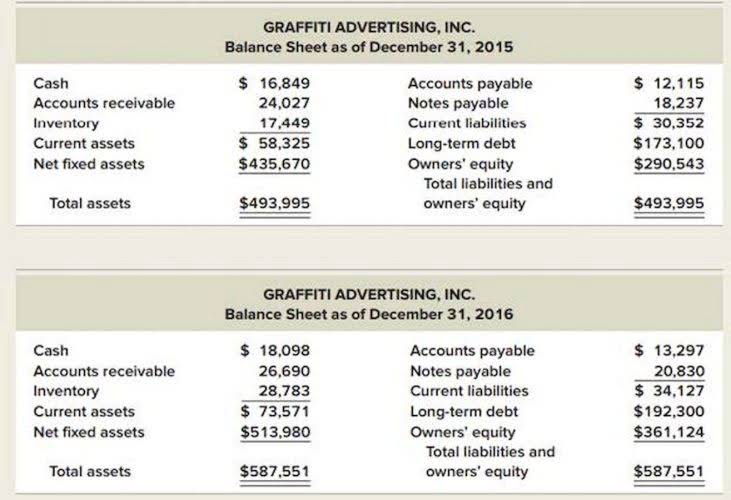
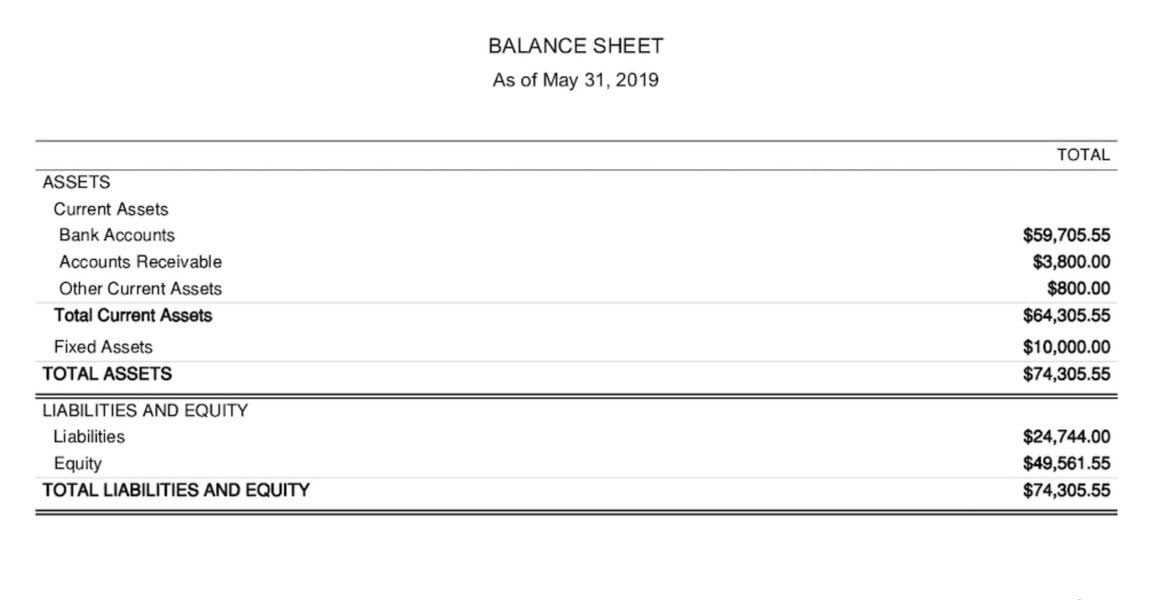
Readers will gain insights into basic accounting concepts and terms, interpret balance sheets, understand the dynamics of debits and credits, and navigate the intricacies of taxes and financial statements. The balance sheet reports the assets, liabilities, and owner’s (stockholders’) equity at a specific point in time, such as December 31. The balance sheet is also referred to as the Statement of Financial Position. An income statement is a financial statement that showcases your business’s profitability. In the income statement, you’ll find your business’s revenues and expenses and how much your business has made or lost throughout the accounting period.

One of such solutions is Synder Sync, which provides a unique opportunity to enhance your workflow without any additional effort of entering an endless stream of numbers. This concept entails only recording transactions that can be proven by official documents that auditors review. Combine information from all parts of the financial report for a better understanding. Comparing data from several periods can reveal if the company is improving or facing problems. For example, rising expenses might seem negative until you learn the company is investing in growth. Both ratios are useful for comparing companies or tracking performance over time.

Expenses are deferred to a balance sheet asset account until the expenses are used up, expired, or matched with revenues. At that time they will be moved to an expense on the income statement. Materiality is an accounting guideline that permits the violation of another accounting guideline if the amount is insignificant. For example, a profitable company with several million dollars of sales is likely to expense immediately a $200 printer instead of depreciating the printer over its useful life. The justification is that no lender or investor will be misled by a one-time expense of $200 instead of say $40 per year for five years. Another example is a large company’s reporting of financial statement amounts in thousands of dollars instead of amounts to the penny.

Advertising Expense will be reported under selling expenses on the income statement. The amount of other comprehensive income is added/subtracted from the balance in the stockholders’ equity account Accumulated Other Comprehensive Income. You should consider our materials to be an introduction to selected accounting and bookkeeping topics (with complexities likely omitted).

Every business owner, regardless of the industry, needs a robust understanding of financials, and Oliver’s guide is the perfect foundation. “Effective financial management is the foundation upon which successful businesses are built.” Delve into budgeting techniques, financial report analysis, and strategies to manage and forecast your business finances for maximum profitability.

basic accounting

Master the art of maintaining financial records, understanding financial statements, and the intricacies of day-to-day bookkeeping practices. Diving into the mindset of the investment maestro, Brodersen and Pysh unravel the accounting methods that guide Warren Buffett’s investment strategies. By simplifying complex concepts, the authors illuminate the path to understanding financial statements from the perspective of value investing. Our Bookkeeping Video Training includes everything you need to know as a beginner starting out in bookkeeping.

How to Forecast Sales Like a Pro: Models, Techniques & Tools

organizations usually use only one method for forecasting sales.

The best forecasting model depends on your business type, data availability, and needs. For established businesses with stable patterns, time series models work well. For newer businesses or volatile markets, qualitative methods combined with simple quantitative models often prove the most effective. ‍A reliable sales forecast acts as a guide for the entire company to make financial and other decisions that lead to a favorable future. Whether it be budgeting, setting future sales targets, or resource allocation needs, forecasting is the beacon that paves the path forward.

Why sales forecasting matters in compensation planning?

Opportunity stage forecasting assesses where each opportunity is in the sales cycle, how likely it is to close, and what the value Oil And Gas Accounting of that opportunity is. The more repeatable, scalable, and standardized your forecasting process is, the more accurate and useful your predictions will be. Since forecasting is an ongoing endeavor, the teams who forecast the best are the ones who dedicate time and energy to creating a successful process that works for them. It’s well worth your time to define and document a forecasting process that can be repeated at the right cadence for your business. Accurate forecasts help your team align on sales strategy and set better goals that allow for growth while still staying realistic. If your monthly or quarterly sales aren’t on track with your predictions, you can step in and better assess your pipeline or work with reps to identify what’s causing actual revenue to fall behind.

organizations usually use only one method for forecasting sales.

of the Best Lead Generation Software Tools for Your Business

organizations usually use only one method for forecasting sales.

One of the best things about Pipedrive is its highly visual nature, which helps sellers stay organized, effectively control their pipelines, and, most importantly, take action. SPOTIO is the sales engagement platform that was specifically made for field sellers. This can be a major issue as a deal that hasn’t moved for months is much more unlikely to close than one that’s been progressing well. For example, a deal in the proposal stage could have ledger account an 80% chance of closing based on previous results.

organizations usually use only one method for forecasting sales.

Test-market analysis forecasting

organizations usually use only one method for forecasting sales.

Also, be aware of any disruptors or events that could impact the accuracy of your forecast. Sales forecasting is essential at all levels of business operations and can help an organization make informed decisions. Sales managers can use representatives’ forecasts to estimate the number of deals that will close. Company leaders can share forecasts with board members, stockholders, and stakeholders to inform them of the company’s health.

  • These perceptions can vary significantly from one sales rep to another, depending on their approach and experience.
  • Find out how predictive sales forecasting works and learn how to get started creating more accurate forecasts.
  • This article explains different sales forecasting methods, their impact on compensation, and best practices to improve forecasting accuracy while keeping sales incentives effective.
  • Sales forecasting software helps streamline forecasting and pipeline reporting.

Multivariable analysis sales forecasting

The right sales execution platform can transform your sales forecasting methods from time consuming, piecemeal, and unreliable organizations usually use only one method for forecasting sales. to one that’s automated, flexible, and accurate using AI-driven insights. Regression analysis is a powerful sales forecasting method that leverages statistical techniques to examine the relationship between different variables affecting your sales. By identifying and analyzing these variables, you can create a predictive model that estimates future revenue based on historical data. While sales forecasting and sales planning are complementary processes, understanding their differences allows sales leaders, RevOps teams, and sales managers to use them effectively. Combining short-term forecasting accuracy with long-term strategic planning ensures businesses can navigate immediate challenges while staying focused on achieving their future sales targets.

  • While it might be used when time is short or data is unavailable, we don’t recommend it.
  • For example, how might your forecast change if your competitors react strongly to your strategy?
  • Understanding the differences between these two concepts is crucial for sales leaders, sales managers, and RevOps teams aiming to improve sales performance and align strategic goals.
  • A common thread throughout each sales forecasting method is the need for consistency — whether it’s with timely data entry or clear judgments on account statuses.
  • That’s because you’ve outlined a regular cadence that your reps can follow and established expectations that everyone must meet.

It communicates the company’s reason for existence, its target audience, and the value it intends to deliver. The mission statement guides marketing efforts by providing a clear understanding of the company’s value proposition and target market. If a labor management agreement is not reached, several conflict resolution strategies can be explored. Mediation can be employed, where a neutral third party facilitates discussions to find common ground and reach a mutually acceptable resolution. Arbitration, where a neutral arbitrator makes a binding decision after hearing both sides, can also be considered. In extreme cases, the possibility of strikes or lockouts might arise, but these should be regarded as a last resort due to their disruptive nature and negative impact on both parties.

Leverage historical data

  • AI is able to extrapolate complicated details, identify correlations, patterns, etc. to arrive at meaningful conclusions about the future.
  • To do this, start with the highest-value customers and identify what trends, behaviors, and demographics unite them.
  • Sales forecasting is ideal for organizations that need to monitor sales performance closely and adjust their strategies in real time.
  • The more predictable and streamlined you can make your sales operations, the easier and more accurate forecasts will become.
  • Sales teams implement this method by analyzing historical data to determine the average time it takes for a prospect to progress through each stage of the sales pipeline.
  • Forrester found that only 43% of respondents are forecasting within 10% accuracy.

Several essential components come into play when seeking to generate an accurate sales forecast. If one component is out of place, you could face a few forecasting challenges, even if you have the best sales forecasting software on the market. As your business evolves, your sales forecasting needs may change, and your sales forecasting software should be able to adjust to these changes. Look for a tool that allows you to customize forecasting models, adjust parameters, and add new data sources.

how to do payroll accounting a step-by-step guide for employers 6

Step-by-Step Guide to the US Payroll Process

She brings practical experience as a business owner and insurance agent to her role as a small business writer. Empowering businesses with seamless, unified workforce solutions that drive success and engagement—from onboarding to exit and beyond. Form 941 must be filed every three months and is due by the last day how to do payroll accounting: a step-by-step guide for employers of the month following the end of a quarter (i.e., April 30, July 31, October 31, January 31).

Services

After calculating each employee’s net pay and all tax withholdings, the next phase involves distributing payments to employees and fulfilling employer tax responsibilities. Methods for paying employees include direct deposit, an electronic transfer to an employee’s bank account, or issuing paper checks. Employers must ensure timely payment according to their established pay schedule. Net pay is determined by subtracting all federal, state, local, and other applicable deductions from the gross pay. Employers are also responsible for employer-only taxes, such as the Federal Unemployment Tax Act (FUTA) and State Unemployment Tax Act (SUTA). SUTA rates and wage bases are specific to each state and can vary based on an employer’s unemployment claims history.

Complete an RC1 Form to Register for Payroll

For anyone learning how to calculate payroll, it’s important to understand the relationship between gross pay and deductions, as this determines the final net pay amount. From the moment your employees clock in, their data is available and ready for processing. And at the end of the pay period, all it takes is a few clicks or taps to produce the numbers you need. Learning how to do payroll accounting manually (i.e., with pencil, paper, and a calculator) is a good skill to have. As a manager, you never know when you’re going to need to do a quick bit of math.

  • It helps businesses save time by automating tasks that are usually complex and prone to mistakes.
  • While you save money by doing payroll yourself, time and effort are the real costs.
  • Post-tax deductions, like Roth 401(k) contributions or wage garnishments, are subtracted from gross pay after taxes have been computed.

Not keeping payroll records for at least 3 years

how to do payroll accounting: a step-by-step guide for employers

The I-9 form is proof that an employee is a U.S. citizen and has the right to work in the United States. The W-4 form supplies the information you’ll need to calculate taxes for each worker. If you prefer to use a manual payroll system, you will need to complete the entire payroll process by hand each pay period. From there, your accounting professional will calculate employee gross pay and make adjustments based on their employee classification. Ultimately, any software you use needs to complete accurate calculations, understand tax guidelines, and increase efficiency within your company. Try asking the payroll company or service provider you’re considering these questions to determine if they’re the right fit.

Her next payday is Friday, Dec. 3, 2021, which covers work she performed from Nov. 22  through Dec. 3. The issue here is that most businesses close their books at the end of each month – in this case, Nov. 30. Depending on filing requirements, you’ll need to pay the government all the taxes withheld during a given period of time (e.g., every three months, every 12 months).

Establish any benefits programs that you will offer employees, such as retirement plans or health insurance. You’ll need to account for these deductions when processing payroll and send money to the correct benefits program. Manual payroll drains time and risks errors in salary calculation, tax deductions, and compliance. Payroll software automates these tasks, improves accuracy and speed, and reduces legal risks and employee dissatisfaction. Providing employees with secure online portals lets them check pay stubs, tax documents, and update personal information themselves. This lowers questions to HR or payroll staff and keeps records accurate.

  • Payment distribution then occurs, with common methods including direct deposit or issuing physical checks.
  • State income tax and unemployment insurance tax deposits and reports also have their own specific requirements and deadlines, which vary by state.
  • Once done, you will have a Set Up Manual Payroll in QuickBooks Desktop, which is ready to perform the critical business operations.
  • Or if you’d rather, you can work with a payroll company instead of an individual CPA.

Related Posts

This form details filing status, multiple jobs, dependents, and any additional amount to withhold. Employers must also obtain Form I-9, Employment Eligibility Verification, to confirm legal work authorization. An employee’s pay rate (hourly or salaried) and pay period (weekly, bi-weekly, semi-monthly, or monthly) are necessary for calculating gross wages.

Once you master how to calculate payroll correctly, you’ll not only save time but also build stronger trust with your employees. Automation also saves valuable time, which can be used for other strategic business tasks. For companies managing multiple employees, automated payroll software becomes a necessity rather than a luxury. Manual payroll calculations involve using spreadsheets or paper records. While this may work for very small businesses, it is time-consuming and prone to errors. Provide a detailed breakdown of gross pay, deductions, and net pay to employees each pay period.

From understanding payroll basics to avoiding common mistakes, accuracy ensures compliance and employee satisfaction. EmpCloud’s reporting tools provide complete breakdowns of performance, attendance, and payroll figures. This data-driven approach supports accuracy and efficiency in payroll processing. The platform captures exact work hours and activities, making payroll calculation accurate and dependable.

Learn foundational principles, navigate compliance, select effective tools, and discover pathways for ongoing expertise in managing compensation. They are in accordance with US federal legislation and may vary from state to state. Harold Averkamp (CPA, MBA) has worked as a university accounting instructor, accountant, and consultant for more than 25 years. Restaurant payroll is one of the largest expenses your business will have to abs… It’s an artificial-intelligence-powered scheduling and time tracking app that allows you to control labor costs and overtime spending as you build the staff rota. We mentioned the W-2 earlier in the article, but here are some more important payroll reports you need to know.

Here’s how to do payroll accounting yourself without missing any details. Once your company starts to grow, the DIY payroll accounting strategy you started out with may no longer be viable. Especially if you’re hoping to play a more active role in daily operations and client-side projects.

Total Hours

However, before filing anything, you need to know which forms apply to which taxes. Most of these forms have fixed annual or quarterly deadlines, and filing late can trigger fines. EmpCloud’s all-in-one workforce management solution takes payroll accuracy to the next level, giving managers complete control, real-time tracking, and reliable reporting tools.

Below is a summary table of each tax form, their respective due dates, and a description of the tax reported on each form. If you offer direct deposit to your employees, you must get their permission to deposit money into their bank account. To do so, you need to have each employee complete a direct deposit authorization form.

how to do payroll accounting a step-by-step guide for employers 6

Step-by-Step Guide to the US Payroll Process

She brings practical experience as a business owner and insurance agent to her role as a small business writer. Empowering businesses with seamless, unified workforce solutions that drive success and engagement—from onboarding to exit and beyond. Form 941 must be filed every three months and is due by the last day how to do payroll accounting: a step-by-step guide for employers of the month following the end of a quarter (i.e., April 30, July 31, October 31, January 31).

Services

After calculating each employee’s net pay and all tax withholdings, the next phase involves distributing payments to employees and fulfilling employer tax responsibilities. Methods for paying employees include direct deposit, an electronic transfer to an employee’s bank account, or issuing paper checks. Employers must ensure timely payment according to their established pay schedule. Net pay is determined by subtracting all federal, state, local, and other applicable deductions from the gross pay. Employers are also responsible for employer-only taxes, such as the Federal Unemployment Tax Act (FUTA) and State Unemployment Tax Act (SUTA). SUTA rates and wage bases are specific to each state and can vary based on an employer’s unemployment claims history.

Complete an RC1 Form to Register for Payroll

For anyone learning how to calculate payroll, it’s important to understand the relationship between gross pay and deductions, as this determines the final net pay amount. From the moment your employees clock in, their data is available and ready for processing. And at the end of the pay period, all it takes is a few clicks or taps to produce the numbers you need. Learning how to do payroll accounting manually (i.e., with pencil, paper, and a calculator) is a good skill to have. As a manager, you never know when you’re going to need to do a quick bit of math.

  • It helps businesses save time by automating tasks that are usually complex and prone to mistakes.
  • While you save money by doing payroll yourself, time and effort are the real costs.
  • Post-tax deductions, like Roth 401(k) contributions or wage garnishments, are subtracted from gross pay after taxes have been computed.

Not keeping payroll records for at least 3 years

how to do payroll accounting: a step-by-step guide for employers

The I-9 form is proof that an employee is a U.S. citizen and has the right to work in the United States. The W-4 form supplies the information you’ll need to calculate taxes for each worker. If you prefer to use a manual payroll system, you will need to complete the entire payroll process by hand each pay period. From there, your accounting professional will calculate employee gross pay and make adjustments based on their employee classification. Ultimately, any software you use needs to complete accurate calculations, understand tax guidelines, and increase efficiency within your company. Try asking the payroll company or service provider you’re considering these questions to determine if they’re the right fit.

Her next payday is Friday, Dec. 3, 2021, which covers work she performed from Nov. 22  through Dec. 3. The issue here is that most businesses close their books at the end of each month – in this case, Nov. 30. Depending on filing requirements, you’ll need to pay the government all the taxes withheld during a given period of time (e.g., every three months, every 12 months).

Establish any benefits programs that you will offer employees, such as retirement plans or health insurance. You’ll need to account for these deductions when processing payroll and send money to the correct benefits program. Manual payroll drains time and risks errors in salary calculation, tax deductions, and compliance. Payroll software automates these tasks, improves accuracy and speed, and reduces legal risks and employee dissatisfaction. Providing employees with secure online portals lets them check pay stubs, tax documents, and update personal information themselves. This lowers questions to HR or payroll staff and keeps records accurate.

  • Payment distribution then occurs, with common methods including direct deposit or issuing physical checks.
  • State income tax and unemployment insurance tax deposits and reports also have their own specific requirements and deadlines, which vary by state.
  • Once done, you will have a Set Up Manual Payroll in QuickBooks Desktop, which is ready to perform the critical business operations.
  • Or if you’d rather, you can work with a payroll company instead of an individual CPA.

Related Posts

This form details filing status, multiple jobs, dependents, and any additional amount to withhold. Employers must also obtain Form I-9, Employment Eligibility Verification, to confirm legal work authorization. An employee’s pay rate (hourly or salaried) and pay period (weekly, bi-weekly, semi-monthly, or monthly) are necessary for calculating gross wages.

Once you master how to calculate payroll correctly, you’ll not only save time but also build stronger trust with your employees. Automation also saves valuable time, which can be used for other strategic business tasks. For companies managing multiple employees, automated payroll software becomes a necessity rather than a luxury. Manual payroll calculations involve using spreadsheets or paper records. While this may work for very small businesses, it is time-consuming and prone to errors. Provide a detailed breakdown of gross pay, deductions, and net pay to employees each pay period.

From understanding payroll basics to avoiding common mistakes, accuracy ensures compliance and employee satisfaction. EmpCloud’s reporting tools provide complete breakdowns of performance, attendance, and payroll figures. This data-driven approach supports accuracy and efficiency in payroll processing. The platform captures exact work hours and activities, making payroll calculation accurate and dependable.

Learn foundational principles, navigate compliance, select effective tools, and discover pathways for ongoing expertise in managing compensation. They are in accordance with US federal legislation and may vary from state to state. Harold Averkamp (CPA, MBA) has worked as a university accounting instructor, accountant, and consultant for more than 25 years. Restaurant payroll is one of the largest expenses your business will have to abs… It’s an artificial-intelligence-powered scheduling and time tracking app that allows you to control labor costs and overtime spending as you build the staff rota. We mentioned the W-2 earlier in the article, but here are some more important payroll reports you need to know.

Here’s how to do payroll accounting yourself without missing any details. Once your company starts to grow, the DIY payroll accounting strategy you started out with may no longer be viable. Especially if you’re hoping to play a more active role in daily operations and client-side projects.

Total Hours

However, before filing anything, you need to know which forms apply to which taxes. Most of these forms have fixed annual or quarterly deadlines, and filing late can trigger fines. EmpCloud’s all-in-one workforce management solution takes payroll accuracy to the next level, giving managers complete control, real-time tracking, and reliable reporting tools.

Below is a summary table of each tax form, their respective due dates, and a description of the tax reported on each form. If you offer direct deposit to your employees, you must get their permission to deposit money into their bank account. To do so, you need to have each employee complete a direct deposit authorization form.

how to do payroll accounting a step-by-step guide for employers 6

Step-by-Step Guide to the US Payroll Process

She brings practical experience as a business owner and insurance agent to her role as a small business writer. Empowering businesses with seamless, unified workforce solutions that drive success and engagement—from onboarding to exit and beyond. Form 941 must be filed every three months and is due by the last day how to do payroll accounting: a step-by-step guide for employers of the month following the end of a quarter (i.e., April 30, July 31, October 31, January 31).

Services

After calculating each employee’s net pay and all tax withholdings, the next phase involves distributing payments to employees and fulfilling employer tax responsibilities. Methods for paying employees include direct deposit, an electronic transfer to an employee’s bank account, or issuing paper checks. Employers must ensure timely payment according to their established pay schedule. Net pay is determined by subtracting all federal, state, local, and other applicable deductions from the gross pay. Employers are also responsible for employer-only taxes, such as the Federal Unemployment Tax Act (FUTA) and State Unemployment Tax Act (SUTA). SUTA rates and wage bases are specific to each state and can vary based on an employer’s unemployment claims history.

Complete an RC1 Form to Register for Payroll

For anyone learning how to calculate payroll, it’s important to understand the relationship between gross pay and deductions, as this determines the final net pay amount. From the moment your employees clock in, their data is available and ready for processing. And at the end of the pay period, all it takes is a few clicks or taps to produce the numbers you need. Learning how to do payroll accounting manually (i.e., with pencil, paper, and a calculator) is a good skill to have. As a manager, you never know when you’re going to need to do a quick bit of math.

  • It helps businesses save time by automating tasks that are usually complex and prone to mistakes.
  • While you save money by doing payroll yourself, time and effort are the real costs.
  • Post-tax deductions, like Roth 401(k) contributions or wage garnishments, are subtracted from gross pay after taxes have been computed.

Not keeping payroll records for at least 3 years

how to do payroll accounting: a step-by-step guide for employers

The I-9 form is proof that an employee is a U.S. citizen and has the right to work in the United States. The W-4 form supplies the information you’ll need to calculate taxes for each worker. If you prefer to use a manual payroll system, you will need to complete the entire payroll process by hand each pay period. From there, your accounting professional will calculate employee gross pay and make adjustments based on their employee classification. Ultimately, any software you use needs to complete accurate calculations, understand tax guidelines, and increase efficiency within your company. Try asking the payroll company or service provider you’re considering these questions to determine if they’re the right fit.

Her next payday is Friday, Dec. 3, 2021, which covers work she performed from Nov. 22  through Dec. 3. The issue here is that most businesses close their books at the end of each month – in this case, Nov. 30. Depending on filing requirements, you’ll need to pay the government all the taxes withheld during a given period of time (e.g., every three months, every 12 months).

Establish any benefits programs that you will offer employees, such as retirement plans or health insurance. You’ll need to account for these deductions when processing payroll and send money to the correct benefits program. Manual payroll drains time and risks errors in salary calculation, tax deductions, and compliance. Payroll software automates these tasks, improves accuracy and speed, and reduces legal risks and employee dissatisfaction. Providing employees with secure online portals lets them check pay stubs, tax documents, and update personal information themselves. This lowers questions to HR or payroll staff and keeps records accurate.

  • Payment distribution then occurs, with common methods including direct deposit or issuing physical checks.
  • State income tax and unemployment insurance tax deposits and reports also have their own specific requirements and deadlines, which vary by state.
  • Once done, you will have a Set Up Manual Payroll in QuickBooks Desktop, which is ready to perform the critical business operations.
  • Or if you’d rather, you can work with a payroll company instead of an individual CPA.

Related Posts

This form details filing status, multiple jobs, dependents, and any additional amount to withhold. Employers must also obtain Form I-9, Employment Eligibility Verification, to confirm legal work authorization. An employee’s pay rate (hourly or salaried) and pay period (weekly, bi-weekly, semi-monthly, or monthly) are necessary for calculating gross wages.

Once you master how to calculate payroll correctly, you’ll not only save time but also build stronger trust with your employees. Automation also saves valuable time, which can be used for other strategic business tasks. For companies managing multiple employees, automated payroll software becomes a necessity rather than a luxury. Manual payroll calculations involve using spreadsheets or paper records. While this may work for very small businesses, it is time-consuming and prone to errors. Provide a detailed breakdown of gross pay, deductions, and net pay to employees each pay period.

From understanding payroll basics to avoiding common mistakes, accuracy ensures compliance and employee satisfaction. EmpCloud’s reporting tools provide complete breakdowns of performance, attendance, and payroll figures. This data-driven approach supports accuracy and efficiency in payroll processing. The platform captures exact work hours and activities, making payroll calculation accurate and dependable.

Learn foundational principles, navigate compliance, select effective tools, and discover pathways for ongoing expertise in managing compensation. They are in accordance with US federal legislation and may vary from state to state. Harold Averkamp (CPA, MBA) has worked as a university accounting instructor, accountant, and consultant for more than 25 years. Restaurant payroll is one of the largest expenses your business will have to abs… It’s an artificial-intelligence-powered scheduling and time tracking app that allows you to control labor costs and overtime spending as you build the staff rota. We mentioned the W-2 earlier in the article, but here are some more important payroll reports you need to know.

Here’s how to do payroll accounting yourself without missing any details. Once your company starts to grow, the DIY payroll accounting strategy you started out with may no longer be viable. Especially if you’re hoping to play a more active role in daily operations and client-side projects.

Total Hours

However, before filing anything, you need to know which forms apply to which taxes. Most of these forms have fixed annual or quarterly deadlines, and filing late can trigger fines. EmpCloud’s all-in-one workforce management solution takes payroll accuracy to the next level, giving managers complete control, real-time tracking, and reliable reporting tools.

Below is a summary table of each tax form, their respective due dates, and a description of the tax reported on each form. If you offer direct deposit to your employees, you must get their permission to deposit money into their bank account. To do so, you need to have each employee complete a direct deposit authorization form.