
Understanding the House Edge
The house edge is a fundamental concept in the world of gambling, providing a statistical advantage to the casino over players. This edge varies by game and represents the percentage of each bet that the casino expects to keep over the long term. For example, in games like blackjack, the house edge can be as low as one percent, while in slot machines, it typically hovers around 5% to 10%. Many players often seek opportunities at an instant withdrawal casino to maximize their enjoyment and potential winnings. Understanding this concept is crucial for players, as it shapes their expectations and strategies when engaging with various games.
Many players mistakenly believe that they can consistently overcome the house edge using luck alone. However, it’s essential to recognize that while luck plays a significant role in short-term outcomes, the house edge will always average out over numerous games. This characteristic means that, although players can win big in the short term, the odds are always in favor of the casino in the long run. Thus, managing expectations is necessary to ensure a more enjoyable gaming experience.
Additionally, different games have different house edges, which can influence a player’s choice of game. For instance, the house edge in baccarat is typically around 1.06%, making it one of the more favorable games for players. Conversely, games with a higher house edge, such as keno, can exceed a staggering 25%. Understanding these discrepancies can equip players with the knowledge to select games that may offer better odds, enhancing their chances of winning, even if briefly.
Strategies for Beating the House Edge
While the house edge is a significant factor in casino games, players can employ certain strategies to mitigate its impact. One common strategy is to play games that offer better odds, such as blackjack and video poker, where players can influence outcomes through skillful play. For example, basic blackjack strategy, which involves making mathematically sound decisions based on the player’s hand and the dealer’s visible card, can help reduce the house edge significantly. Players who learn and implement these strategies often find they can enhance their odds considerably.
Another effective strategy involves taking advantage of bonuses and promotions offered by casinos. Many casinos provide welcome bonuses, loyalty rewards, and other incentives that can provide additional playtime or even cash back on losses. By leveraging these offers, players can extend their gaming experiences and potentially recoup some losses, thereby reducing the overall impact of the house edge. However, players must read the terms and conditions associated with these bonuses, as they often come with wagering requirements that must be met before cashing out.
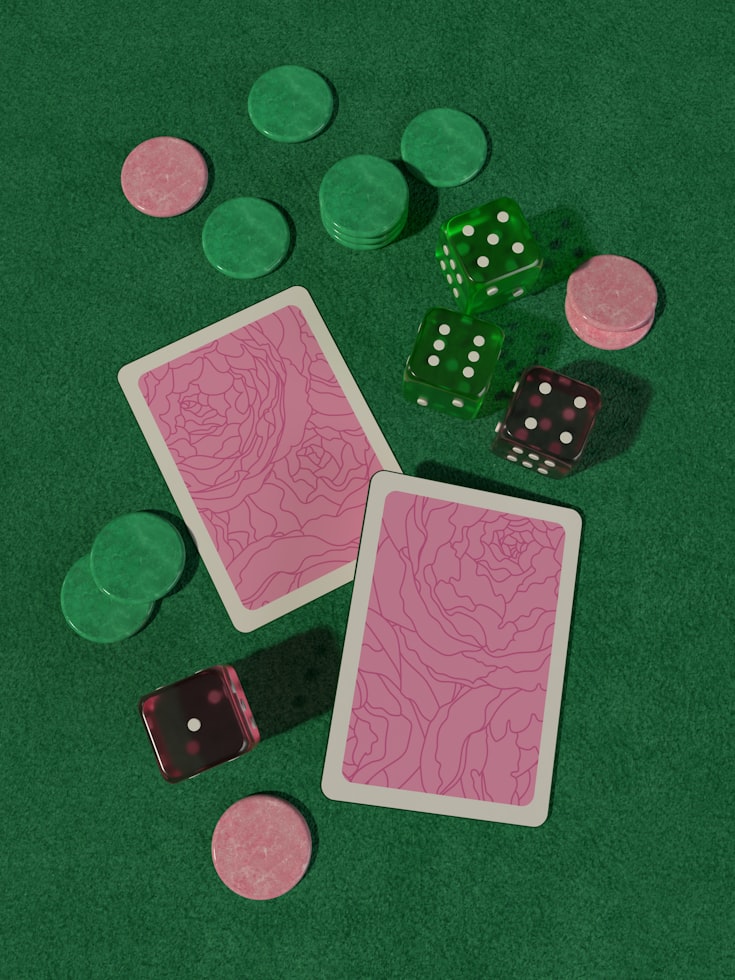
Moreover, bankroll management is vital in any gambling strategy. Setting a budget before entering a casino and sticking to it can help players avoid the pitfalls of chasing losses or overspending. A well-structured bankroll management plan will set limits on how much to bet and when to walk away, which can promote responsible gambling and enhance the overall experience. Although these strategies do not guarantee winning, they can create a more sustainable approach to playing and help mitigate the house’s advantage.
Psychology of Gambling and its Role in the House Edge
The psychology of gambling plays an essential role in the interaction between players and the house edge. Many players rely on cognitive biases and fallacies, such as the gambler’s fallacy, which can lead to poor decision-making and misunderstanding of the odds. For instance, believing that past outcomes can influence future results may compel players to make riskier bets, ultimately working against them. Recognizing these psychological factors is crucial for making informed decisions while gambling.
Additively, the thrill of gambling can cloud judgment. The excitement of winning can create an almost euphoric state, which may lead to impulsive decisions. Players often remember their wins more vividly than their losses, leading to an inflated perception of their abilities to beat the house edge. This psychological phenomenon can cause players to remain at the table longer than intended, increasing the likelihood of losses and ultimately benefiting the casino.
Moreover, understanding the emotional aspects of gambling can help players develop a healthier relationship with gaming. Acknowledging that gambling should be viewed as entertainment rather than a means to make money can lead to more responsible play. Knowing when to walk away and managing emotions can foster a more enjoyable and less risky gaming experience, ultimately reducing the impact of the house edge through informed decision-making.
The Role of Skill in Certain Casino Games
While many casino games rely solely on chance, some games offer players the opportunity to use skill to their advantage. Games such as poker, blackjack, and certain forms of sports betting allow players to make strategic decisions that can impact the outcome. In poker, for example, the ability to read opponents and make calculated bets can significantly enhance a player’s odds of winning. This element of skill can sometimes outweigh the inherent house edge, making it possible for experienced players to come out ahead.
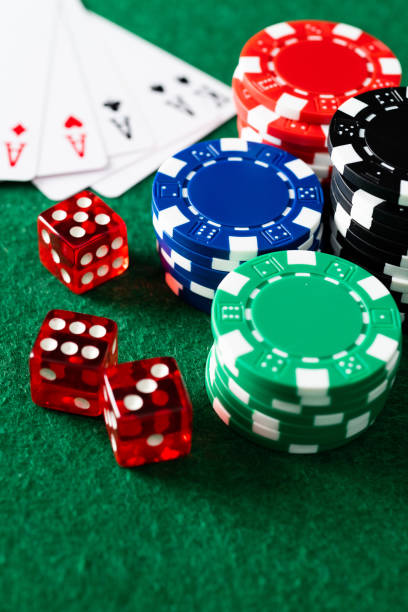
Another example is video poker, where players can choose which cards to hold or discard. This interactive element allows for a greater degree of strategy and decision-making than traditional slot machines. By employing optimal play strategies, players can reduce the house edge considerably, sometimes even into the territory of a player advantage. This strategic depth is why many seasoned gamblers gravitate toward skill-based games rather than pure luck alternatives.
Moreover, learning and mastering these skill-based games can take time and effort, but for those willing to invest in their knowledge and practice, the rewards can be worthwhile. Players who dedicate themselves to understanding game mechanics, strategies, and probabilities can enhance their gaming experience and reduce the overall impact of the house edge. Such a commitment to skill improvement can significantly change a player’s fortunes over time, making it an appealing avenue for serious gamers.
Conclusion: Navigating Casino Experiences Wisely
In conclusion, while the house edge is a fundamental aspect of casino gaming, players can take certain steps to navigate their experiences wisely. Understanding the house edge, employing effective strategies, and acknowledging the psychological factors at play can all contribute to a more informed approach to gambling. By selecting games with lower house edges and leveraging bonuses, players may enhance their chances for success in the long run.
Moreover, fostering a responsible gaming mindset that prioritizes enjoyment over profit can help create a healthier relationship with gambling. Recognizing that luck will always play a role, alongside skill-based strategies, can empower players to manage their expectations better. Remember, gambling should be primarily about entertainment, and understanding the house edge can help players make informed decisions throughout their gaming journey.
As you explore various gaming options, our website is here to provide valuable insights and resources. We aim to equip players with the knowledge they need to enjoy their casino experiences fully. Whether you seek game strategies, tips, or general information about the gaming industry, our platform is designed to enhance your understanding and enjoyment of the world of gambling.
