
The psychology of gambling Understanding the mind behind the casino experience Pin Up Casino
The Allure of Gambling: Why We Play
At the core of gambling psychology lies the intrinsic allure that draws players to casinos. The thrill of uncertainty and the potential for financial gain stimulate dopamine release in the brain, akin to the reward responses observed in addictive behaviors. This sense of excitement can create a powerful pull, making the casino atmosphere irresistible. The lights, sounds, and vibrant visuals further enhance this sensory experience, crafting an environment designed to captivate players. For those looking to explore their options, Play Pin Up offers a wide range of games that can amplify this thrill.
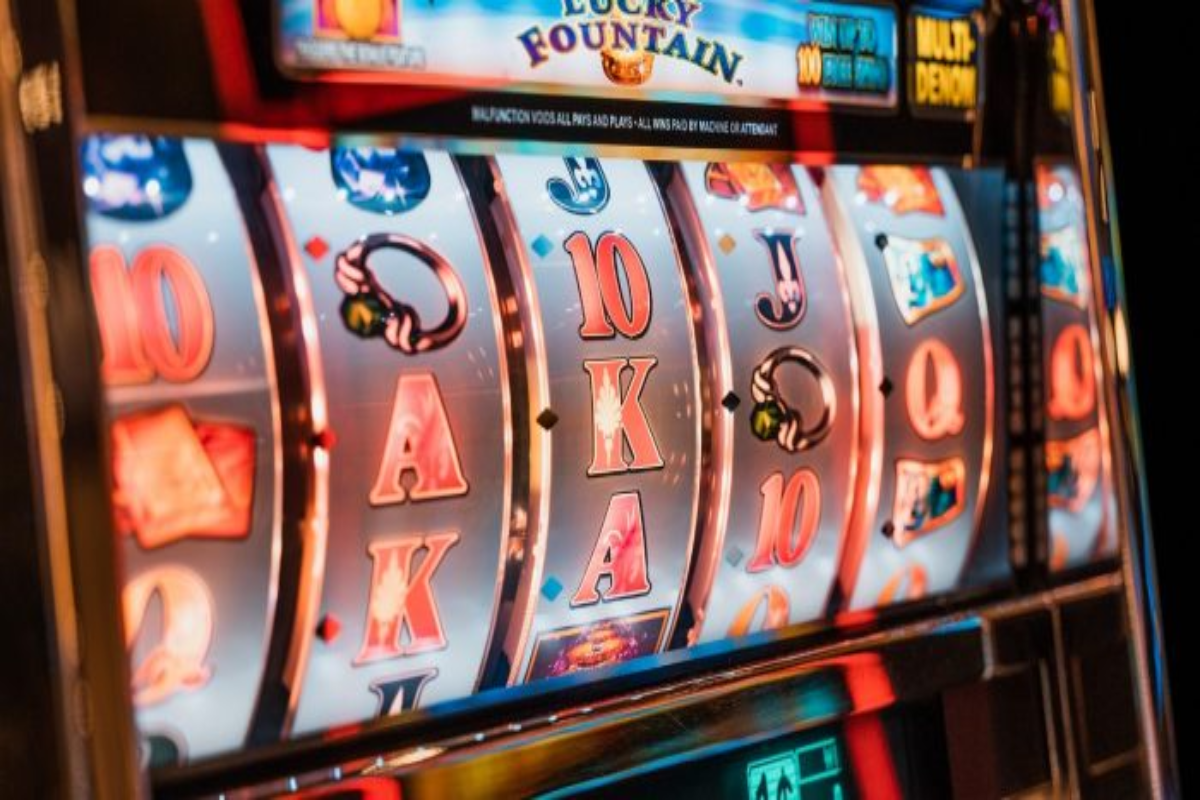
Moreover, the social aspect of gambling contributes significantly to its appeal. Players often enjoy sharing their experiences with friends, making it a communal activity. The chance to bond over wins or losses can create memorable interactions, fostering a sense of belonging within the casino community. This social dynamic encourages individuals to return, seeking both entertainment and camaraderie in the gambling experience, particularly at Pin Up Casino.
Additionally, the concept of escapism plays a significant role in why people are drawn to gambling. Many individuals turn to casinos as a way to escape the stresses of daily life, seeking a temporary respite from their worries. This psychological refuge is often enhanced by promotional offers and bonuses, such as those found at Pin Up, which provide players with the opportunity to indulge in a fantasy world where anything is possible.
The Role of Cognitive Biases in Gambling
Cognitive biases significantly influence gambling behavior, often leading players to make irrational decisions. One common bias is the illusion of control, where individuals believe they can influence the outcomes of games, particularly in games of chance like slots or roulette. This belief can foster a sense of confidence, resulting in players wagering more than they typically would, hoping for a favorable outcome despite the inherent randomness of these games.
The gambler’s fallacy is another prevalent cognitive bias, where players assume that past events influence future outcomes. For instance, if a roulette wheel lands on red multiple times, a player might believe black is “due” to occur. This misperception can lead to increased betting activity, driven by the mistaken belief that patterns exist in purely random scenarios. Understanding these biases is crucial for casinos, as they can shape marketing strategies that resonate with players’ psychological tendencies.
Moreover, confirmation bias can cause gamblers to remember their wins while conveniently forgetting their losses. This selective memory reinforces the notion that they are skilled or lucky, encouraging further participation. This cycle can lead to problematic gambling behavior, as players continue to chase their perceived successes while ignoring the statistical realities of the games they play.
The Emotional Rollercoaster: Wins and Losses
The emotional highs and lows associated with gambling significantly affect players’ psychology. Winning can evoke feelings of euphoria and exhilaration, often prompting individuals to return to the casino in search of repeat success. This thrill can create an addictive loop, as the brain craves the dopamine rush linked to victories, reinforcing the desire to gamble again.
Conversely, losses can trigger a range of negative emotions, including frustration, disappointment, and even anger. For some players, this emotional turmoil leads to a phenomenon known as “chasing losses,” where individuals continue to gamble in an attempt to recover their previous losses. This behavior can spiral into a cycle of gambling that is difficult to break, resulting in increased financial and emotional strain.
Understanding this emotional rollercoaster is vital for casinos and players alike. For operators, creating a supportive environment that promotes responsible gaming can help mitigate the adverse effects of losses. For players, recognizing these emotional patterns can empower them to make informed decisions about their gambling habits, ensuring that the experience remains enjoyable rather than detrimental.
The Impact of Environment on Gambling Behavior
The physical and digital environments of casinos play a crucial role in shaping gambling behavior. In traditional casinos, the layout is strategically designed to encourage players to stay longer and engage more deeply with the games. Features such as the placement of slot machines, vibrant lighting, and even the scent of the air all contribute to a stimulating atmosphere that keeps players entertained and eager to play.
Online platforms like Pin Up Canada replicate this immersive experience through engaging graphics, user-friendly interfaces, and interactive live dealer options. The convenience of online gambling also encourages players to partake in gaming activities more frequently. With easy access from mobile devices, players can gamble anytime, anywhere, making it crucial for operators to provide a safe and responsible gaming environment.
Furthermore, the presence of bonuses and promotions acts as a significant factor in online gambling environments. These incentives can create an enticing atmosphere that encourages players to return. However, it is essential for players to remain aware of their gambling habits and set limits, ensuring they engage in responsible gambling while enjoying the thrill of the casino experience.

Pin Up Casino: A Case Study in Gambling Psychology
Pin Up Casino serves as an exemplary model of how psychological principles can be successfully integrated into the gambling experience. With a focus on creating a user-friendly platform, it caters to Canadian players by offering a diverse selection of games that appeal to various psychological motivations, including the desire for social interaction and the thrill of chance.
The casino’s promotional strategies effectively leverage cognitive biases, utilizing bonuses and incentives that enhance the gaming experience while encouraging players to keep coming back. By understanding the psychological factors that influence gambling behavior, Pin Up fosters a supportive environment where players can enjoy their gaming experiences responsibly.
Moreover, the commitment to providing 24/7 customer support demonstrates an understanding of the emotional needs of players. Recognizing that gambling can be an emotional journey, the casino ensures that help is readily available, contributing to a balanced gaming environment. This holistic approach not only enhances player satisfaction but also promotes responsible gambling practices, a crucial aspect of the overall casino experience.
